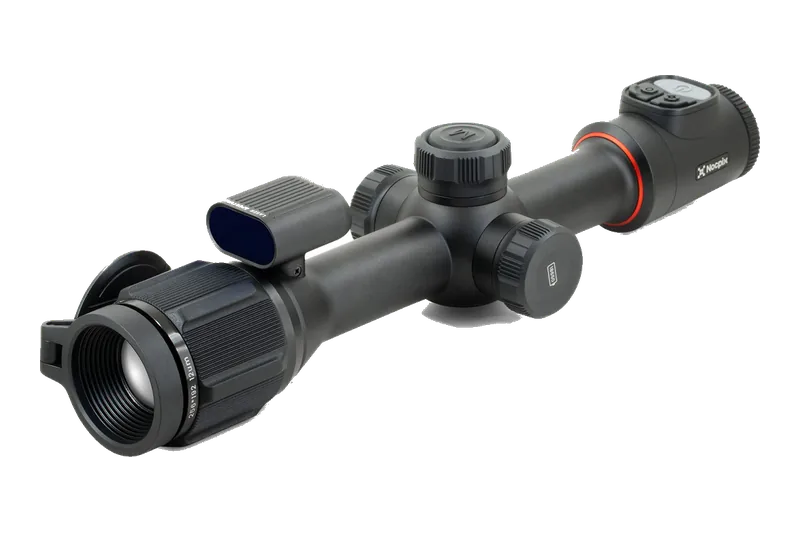
Nocpix BOLT P25R
30 mm tube thermal scope
- 256 x 192
- 25 mm
- 3.5x to 14x
- ≤ 20 mK
- LRF 1,300 yd
- Detection
- 1,310 yd
- Refresh
- 50 Hz
- Weight
- 30.7 oz
In stock from $1,199.00
NocpixCompare thermal rifle scopes and clip-ons by the specs that decide what you see at night: sensor resolution, lens size, base magnification, NETD sensitivity and a built-in rangefinder.
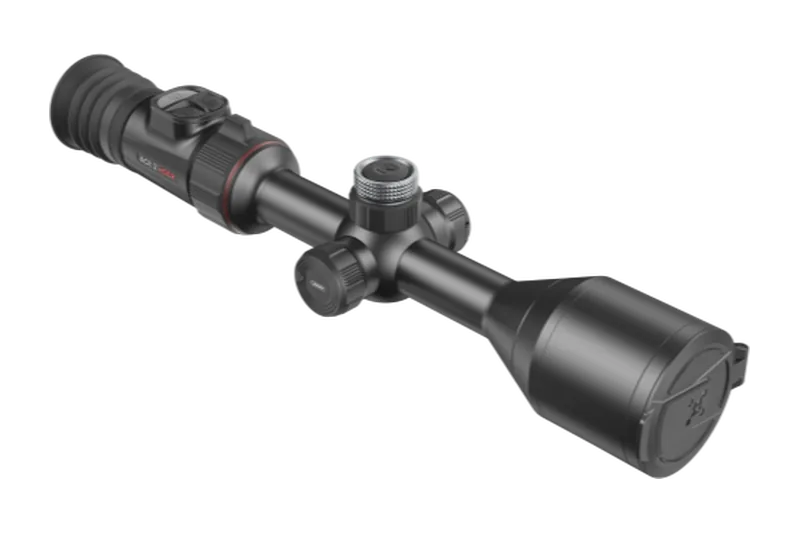
Prices and availability may change. Store prices show the date they were checked. List price is the manufacturer's published US price when no store price is listed.
30 mm tube thermal scope
In stock from $1,199.00
Nocpix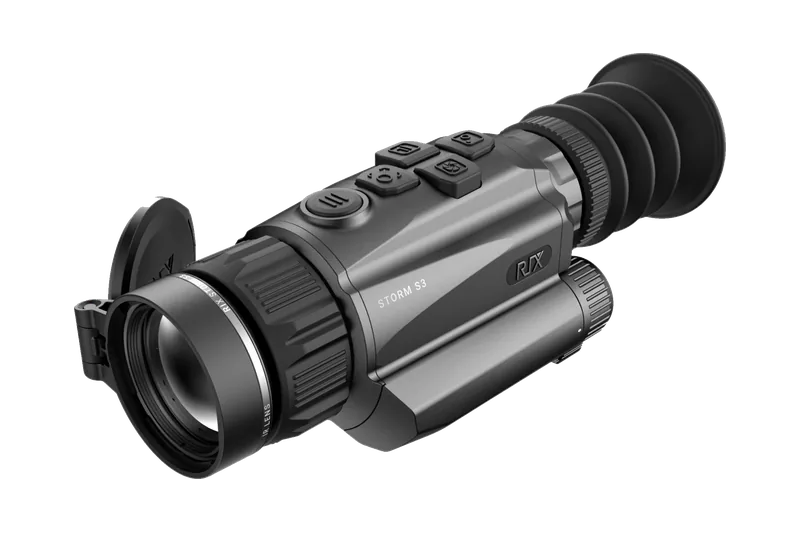
Thermal rifle scope
In stock from $1,299.00
RIX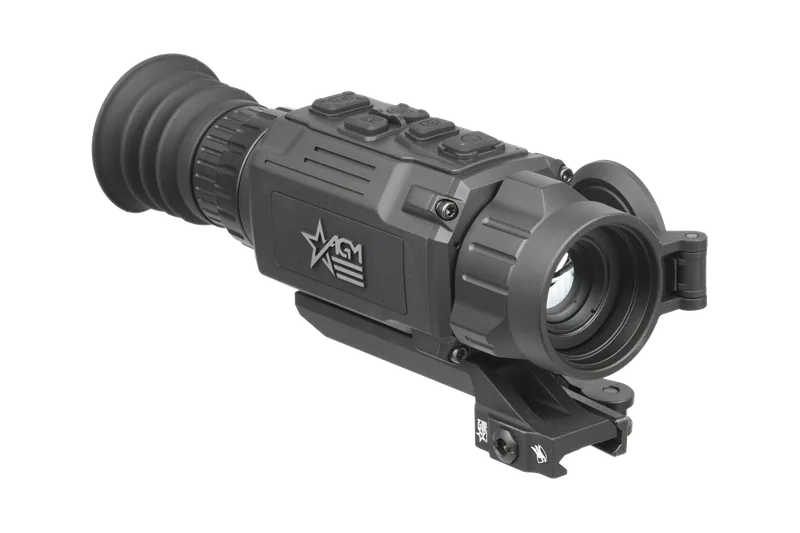
Thermal rifle scope
Store price from $1,545.00
AGM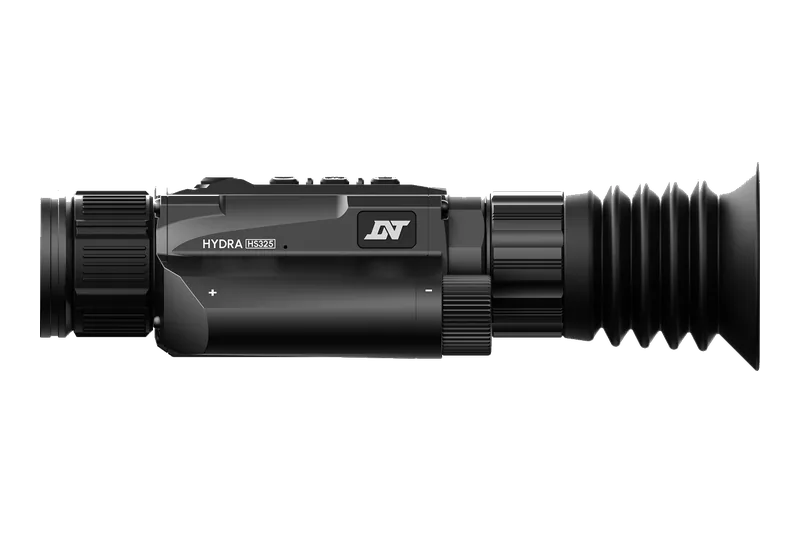
Multipurpose thermal
In stock from $1,549.99
DNT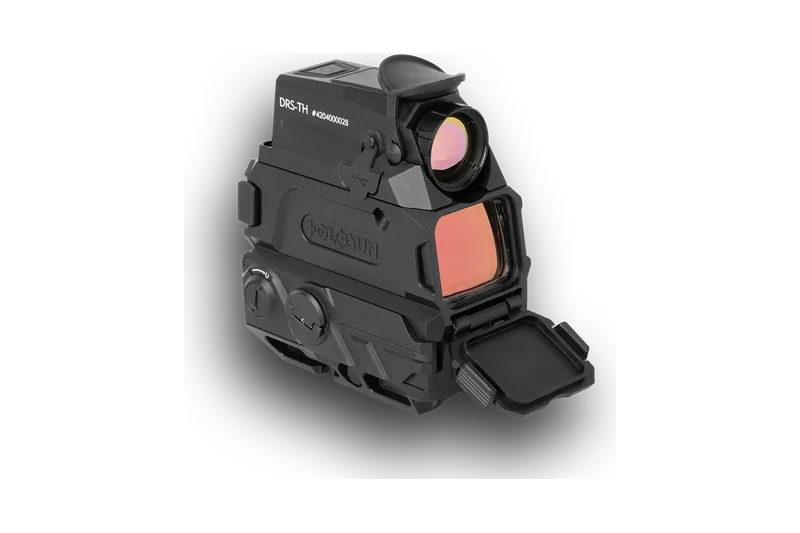
Thermal rifle scope
In stock from $1,599.99
Holosun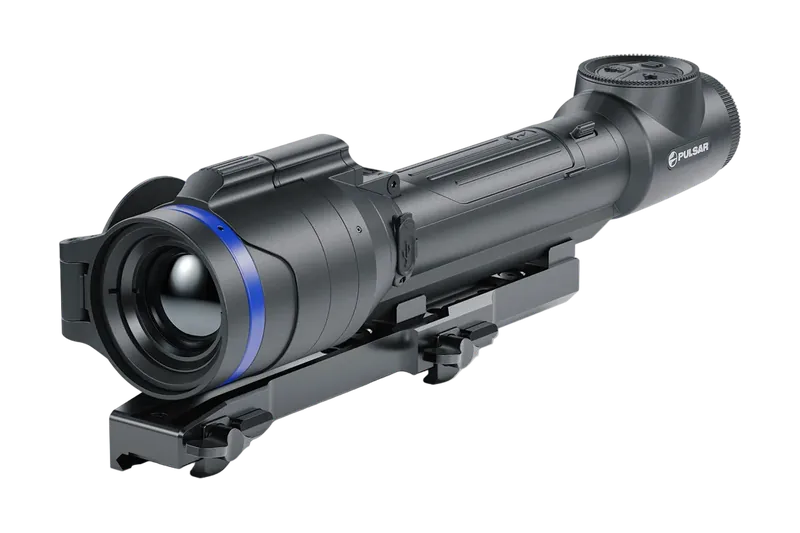
Thermal rifle scope
In stock from $1,699.97
Pulsar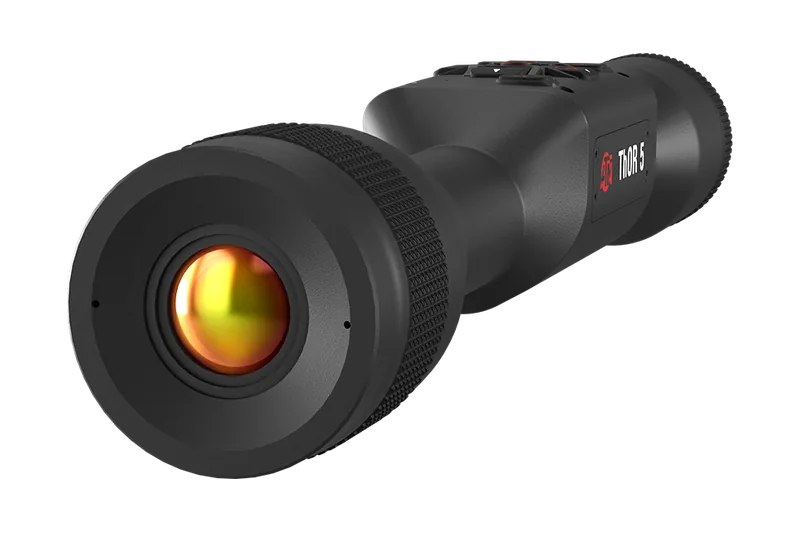
30 mm tube thermal scope
In stock from $1,895.00
ATN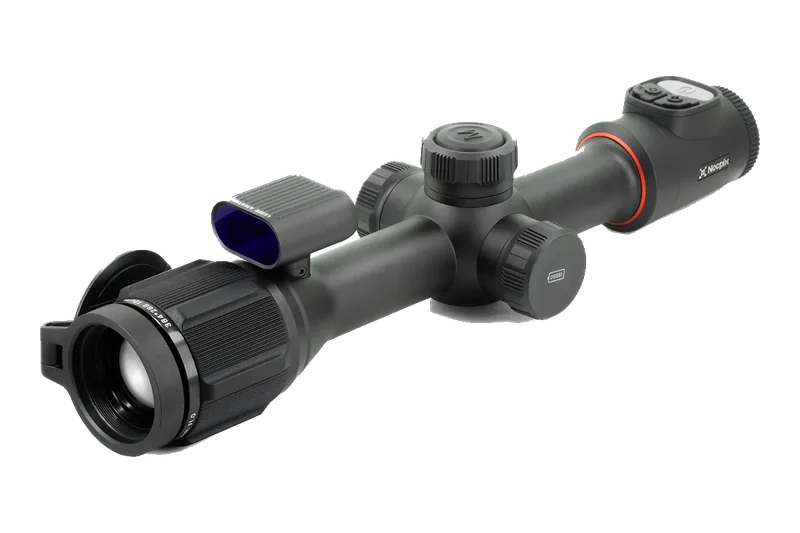
30 mm tube thermal scope
In stock from $1,999.00
Nocpix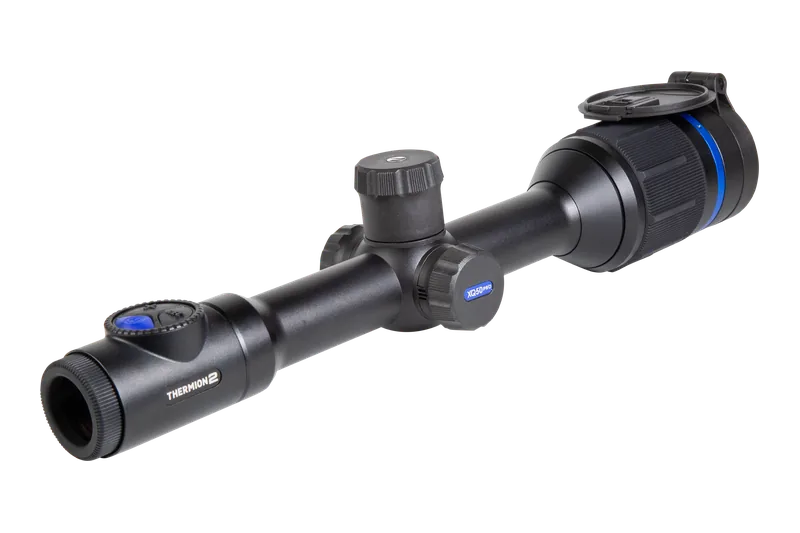
30 mm tube thermal scope
In stock from $1,999.97
Pulsar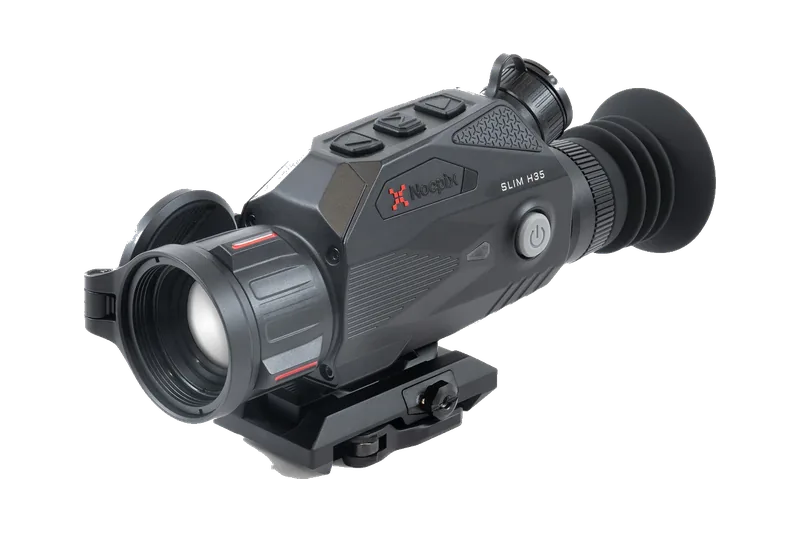
Multipurpose thermal
In stock from $2,199.00
Nocpix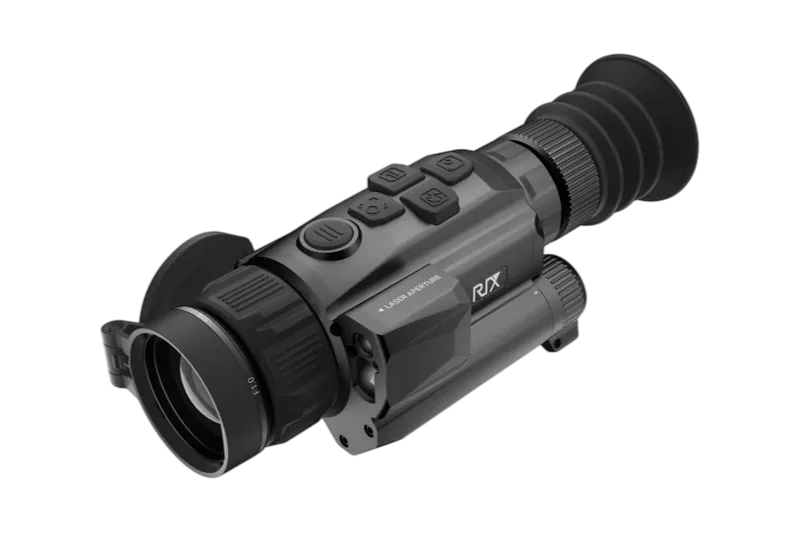
Thermal rifle scope
In stock from $2,199.00
RIX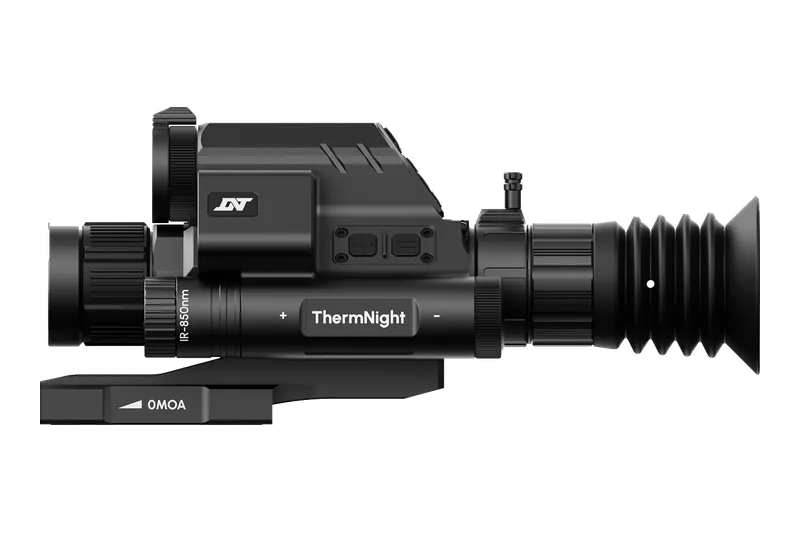
Thermal rifle scope
In stock from $2,199.99
DNT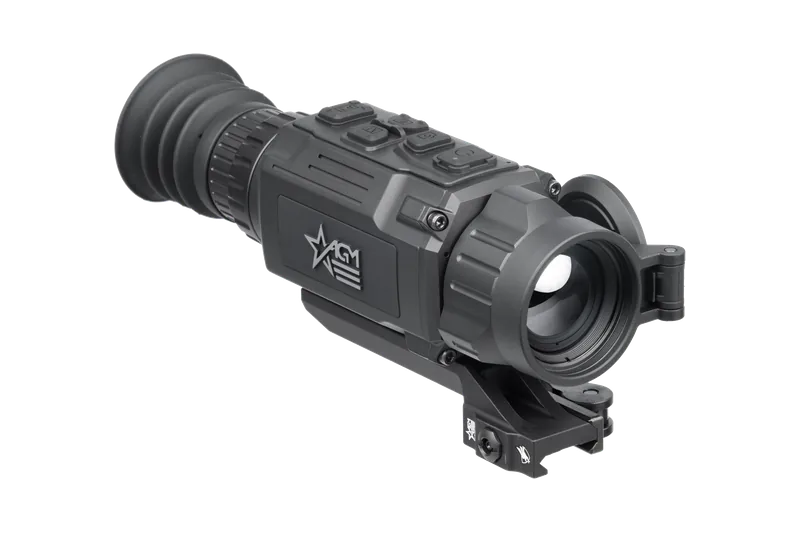
Thermal rifle scope
In stock from $2,495.00
AGM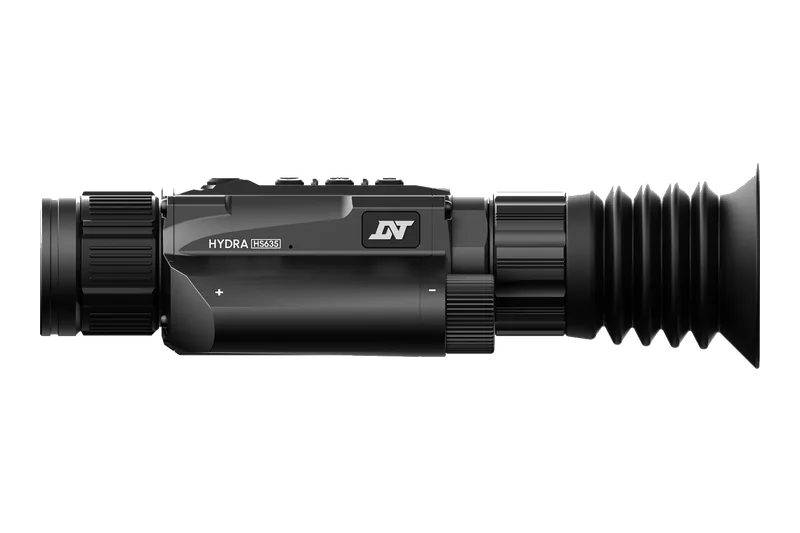
Multipurpose thermal
In stock from $2,549.99
DNT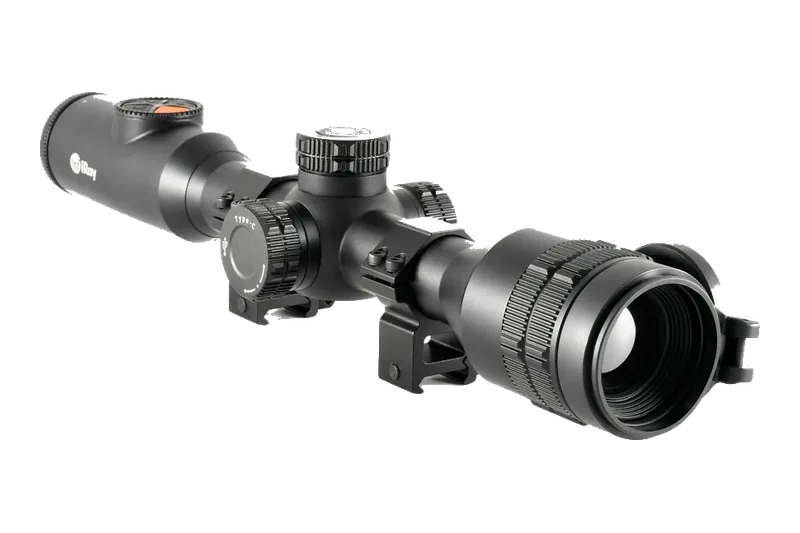
30 mm tube thermal scope
Store price from $2,699.00
InfiRay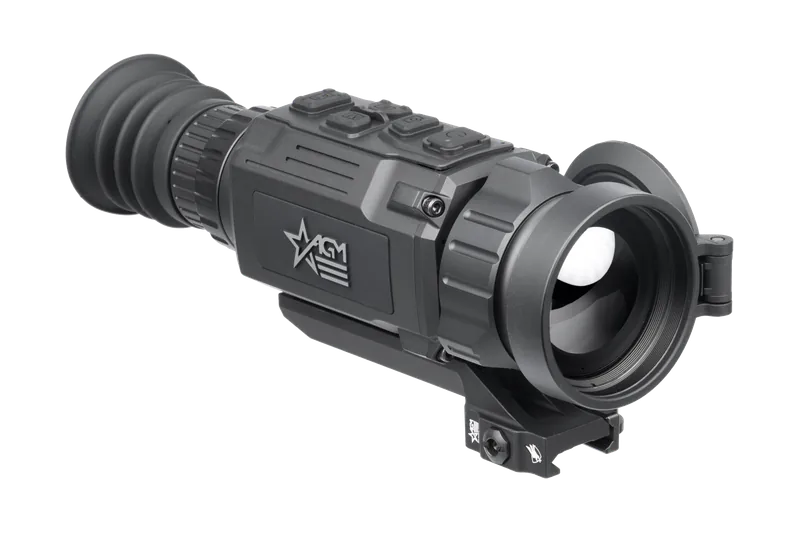
Thermal rifle scope
In stock from $2,795.00
AGM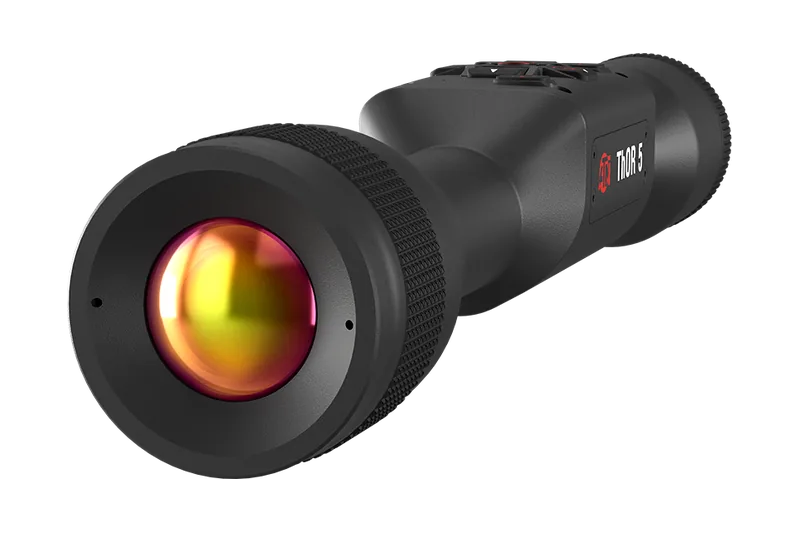
30 mm tube thermal scope
In stock from $2,895.00
ATN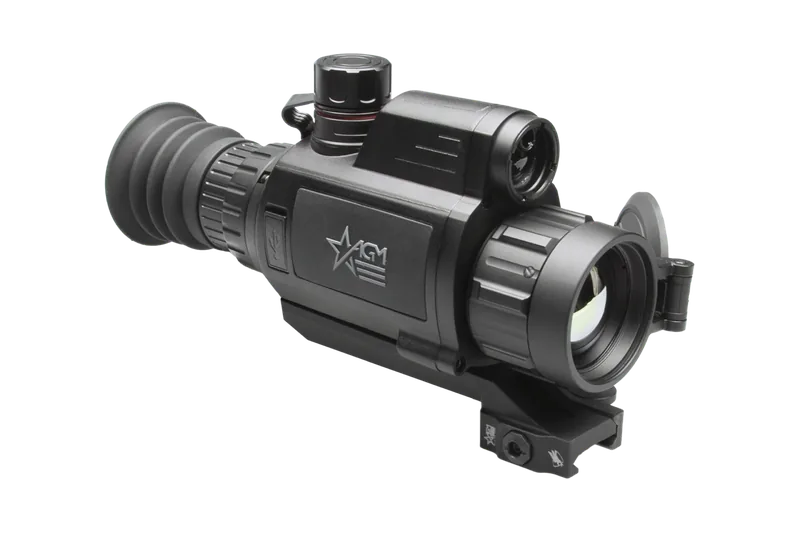
Thermal rifle scope
In stock from $2,995.00
AGM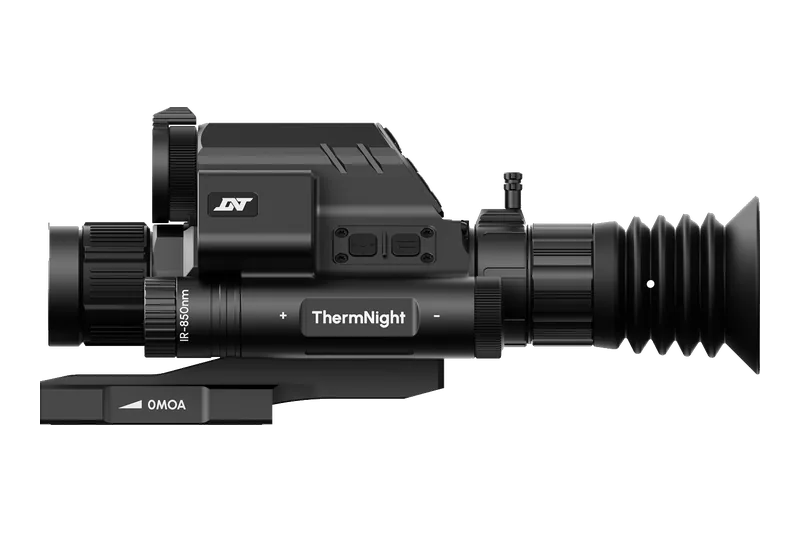
Thermal rifle scope
In stock from $3,159.99
DNT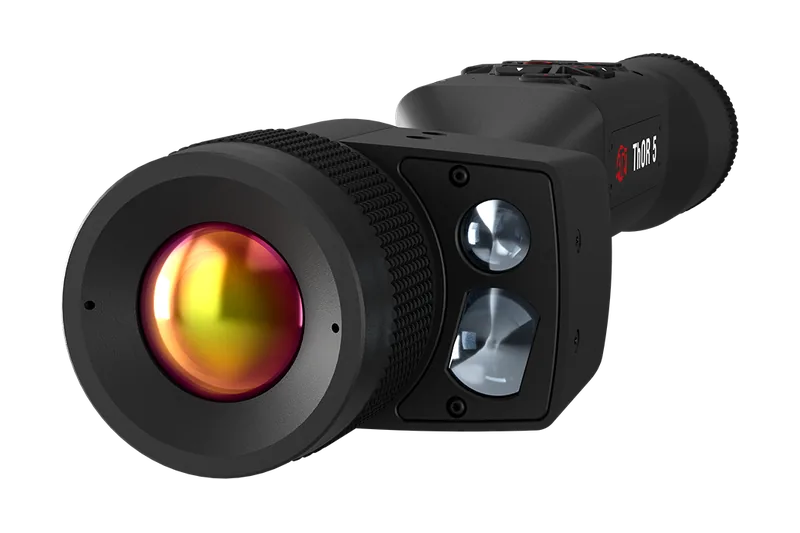
30 mm tube thermal scope
In stock from $3,195.00
ATN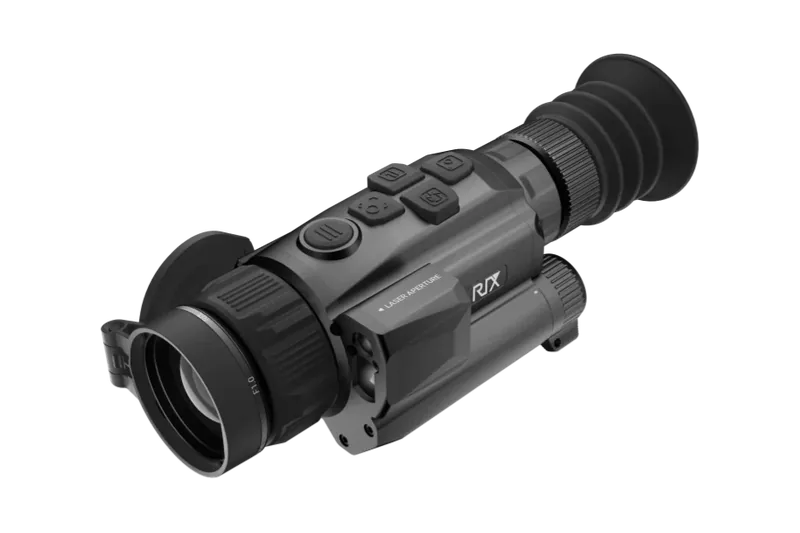
Thermal rifle scope
In stock from $3,199.00
RIX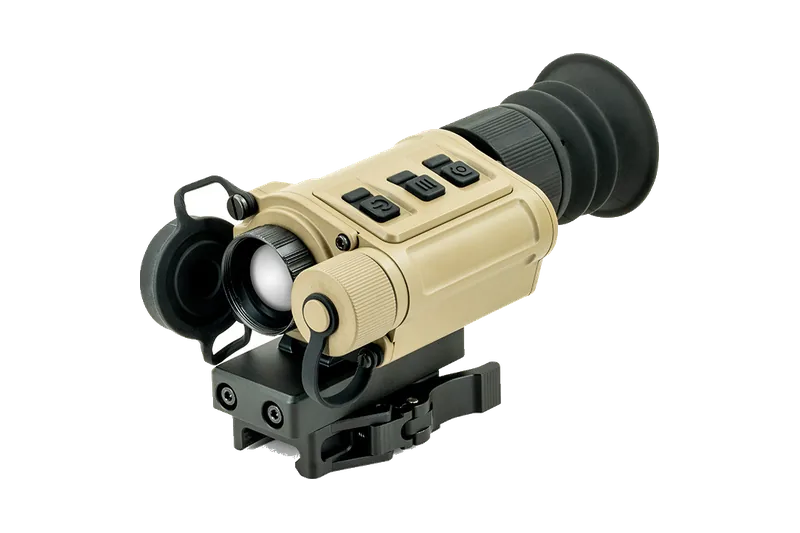
Multipurpose thermal
In stock from $3,299.00
InfiRay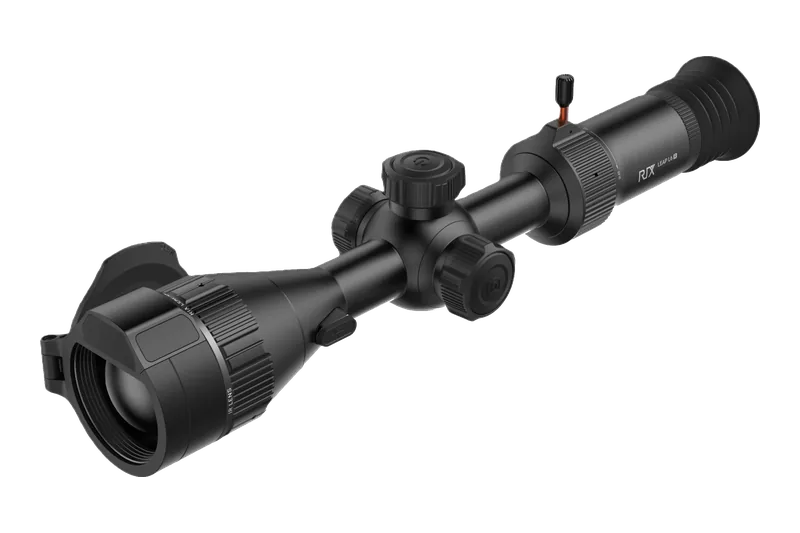
30 mm tube thermal scope
In stock from $3,499.00
RIX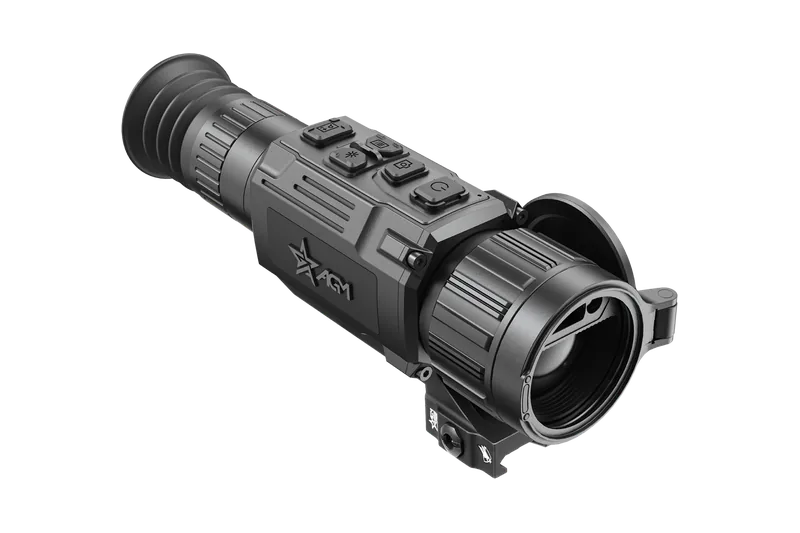
Thermal rifle scope
Store price from $3,795.00
AGM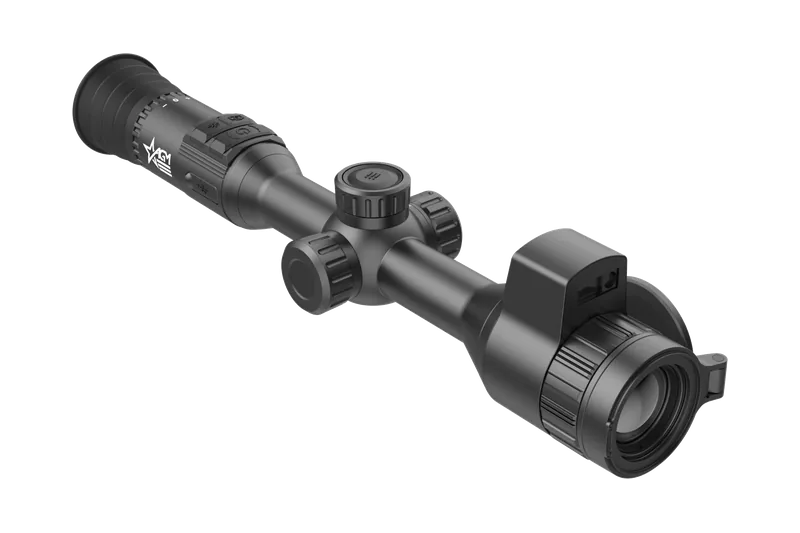
30 mm tube thermal scope
In stock from $3,795.00
AGM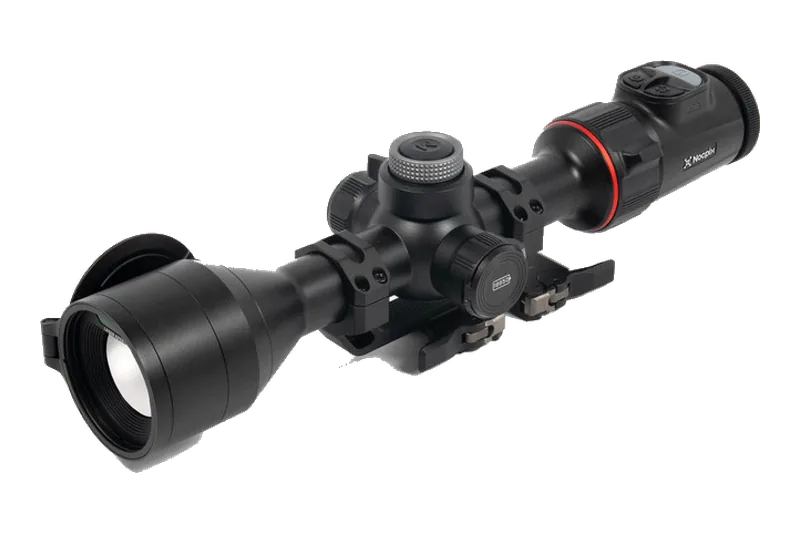
30 mm tube thermal scope
In stock from $3,999.00
Nocpix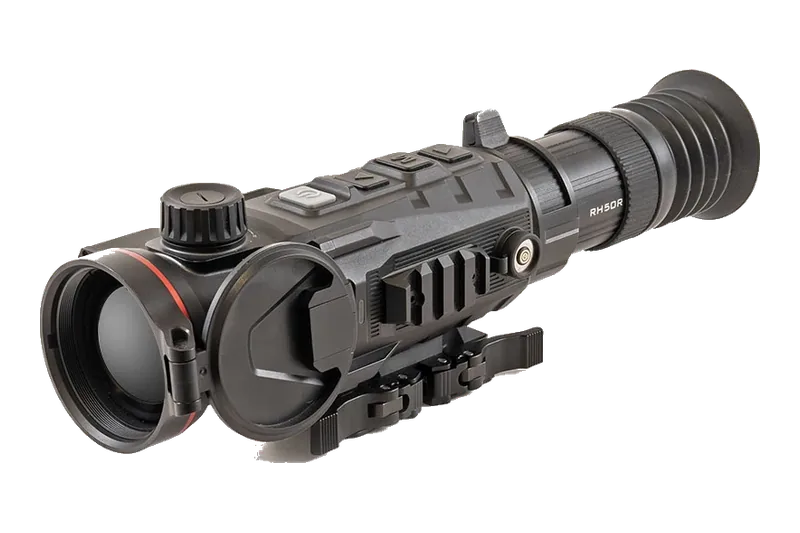
Thermal rifle scope
In stock from $4,449.00
InfiRay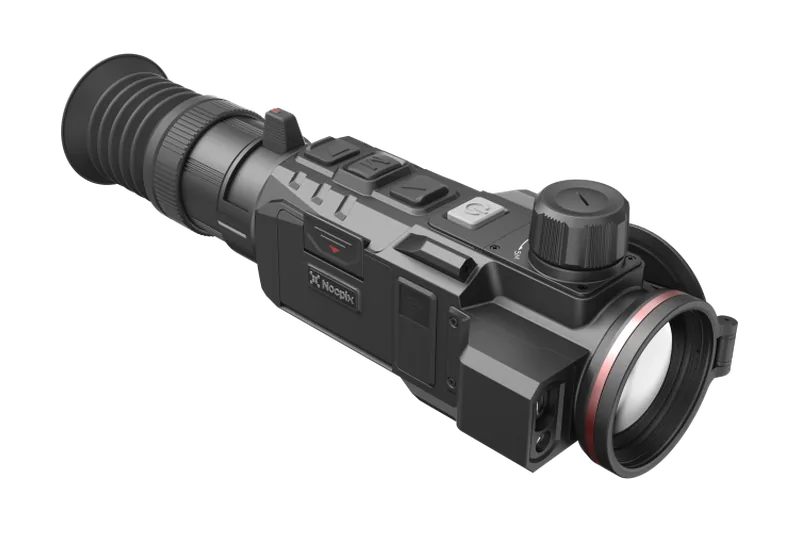
Thermal rifle scope
In stock from $4,499.00
Nocpix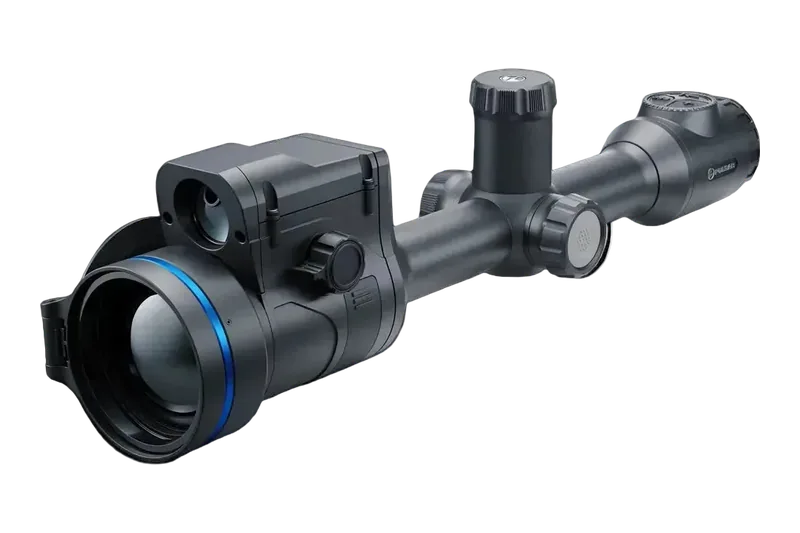
30 mm tube thermal scope
In stock from $4,499.97
Pulsar30 mm tube thermal scope
In stock from $4,999.00
Nocpix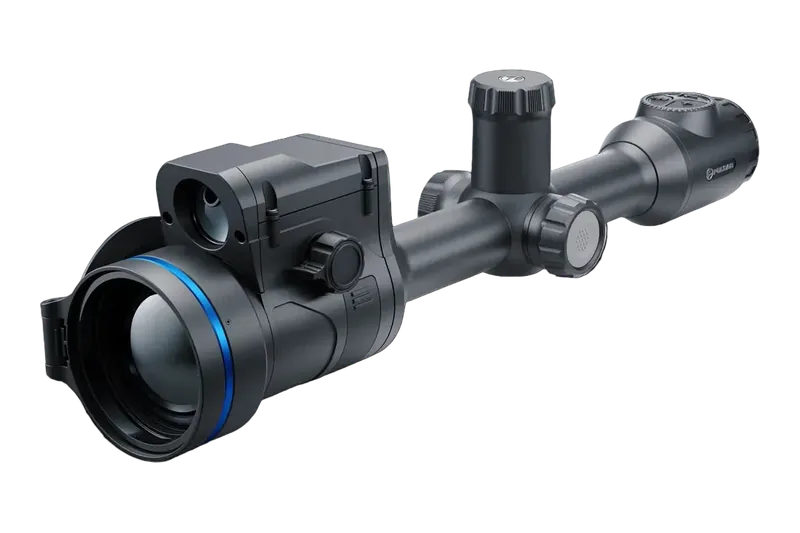
30 mm tube thermal scope
In stock from $4,999.00
Pulsar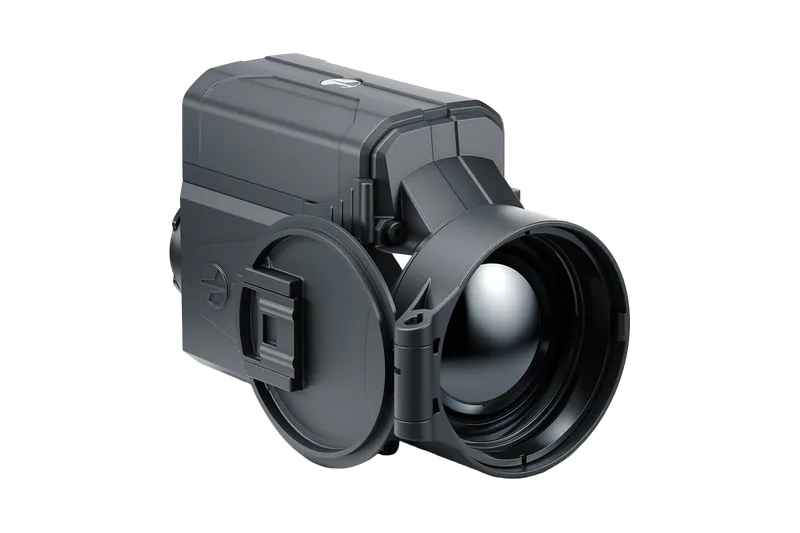
Thermal clip-on
Store price from $4,999.97
Pulsar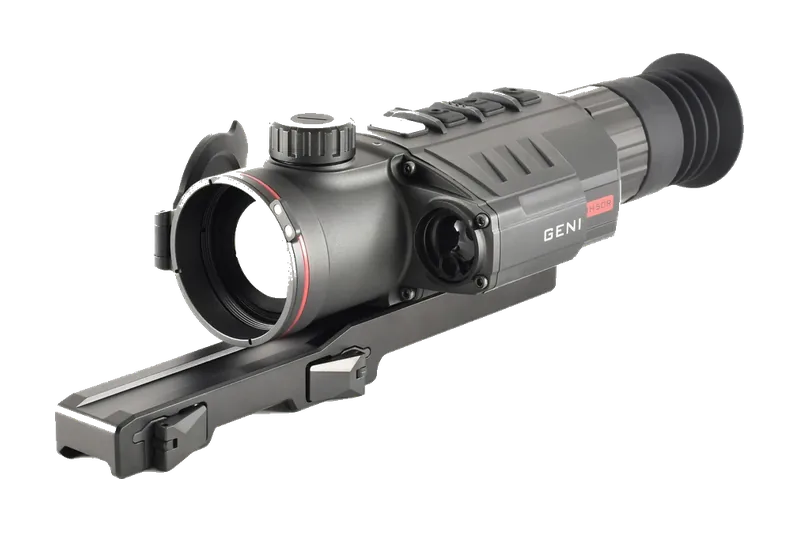
Thermal rifle scope
Store price from $5,499.00
InfiRay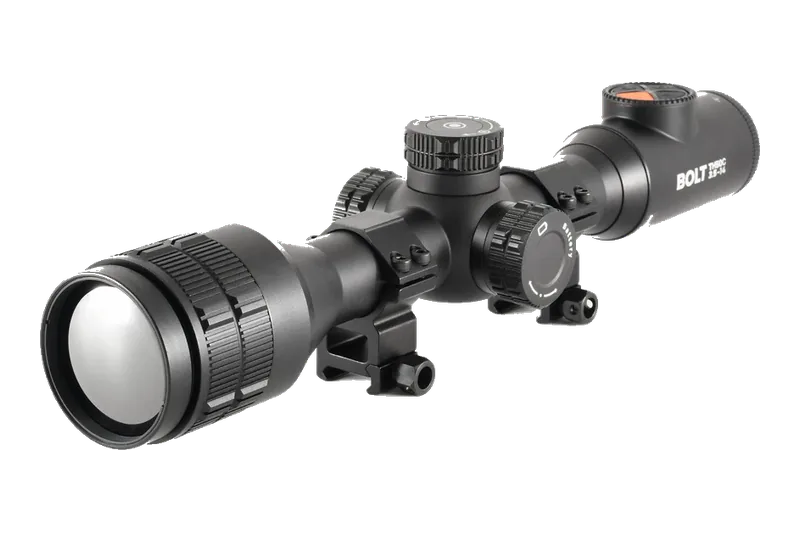
30 mm tube thermal scope
In stock from $5,499.00
InfiRay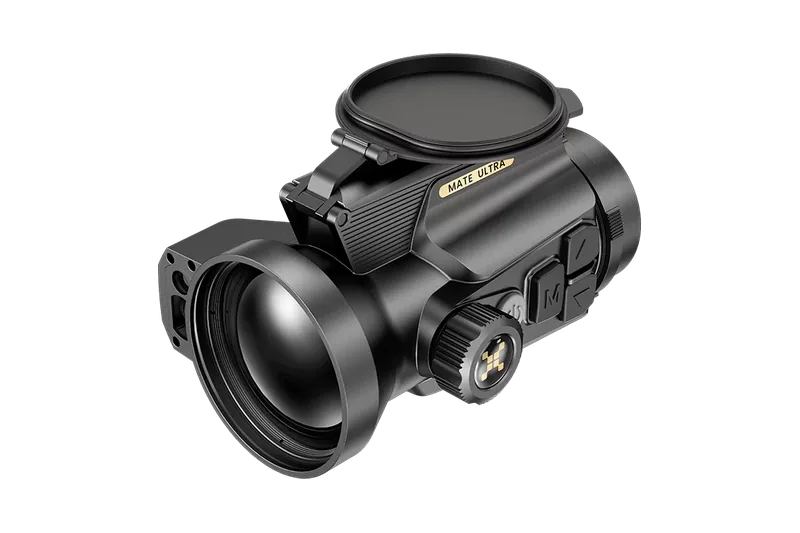
Thermal clip-on
In stock from $5,999.00
Nocpix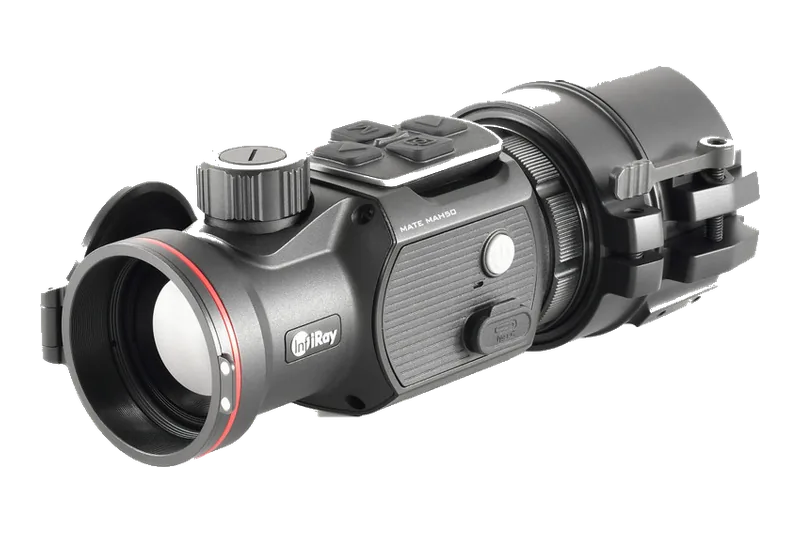
Thermal clip-on
Store price from $5,999.00
InfiRay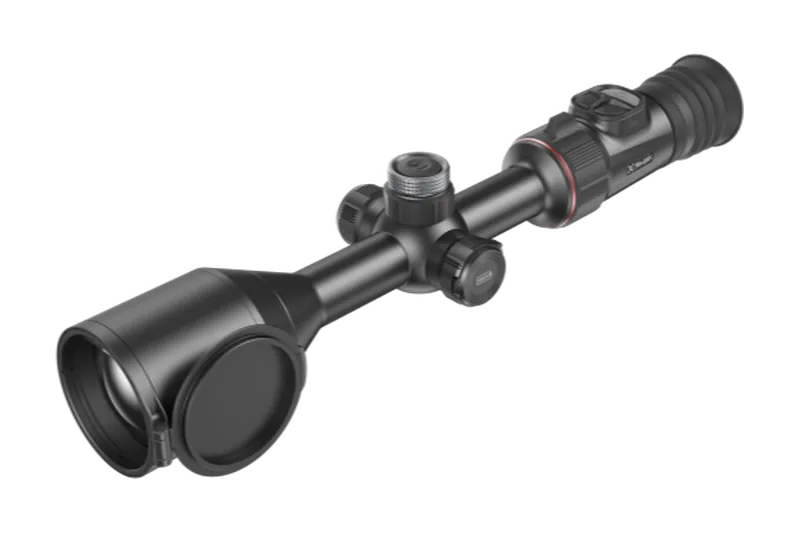
30 mm tube thermal scope
In stock from $6,999.00
Nocpix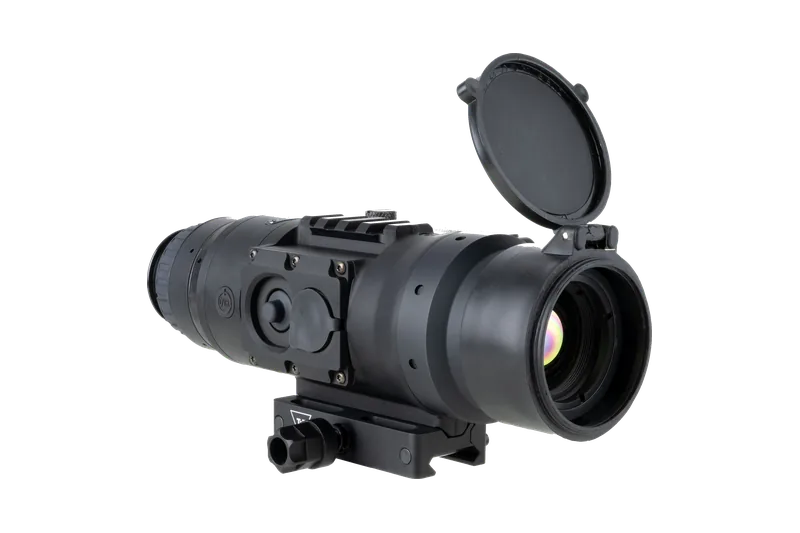
Thermal rifle scope
List price $8,239.00
Trijicon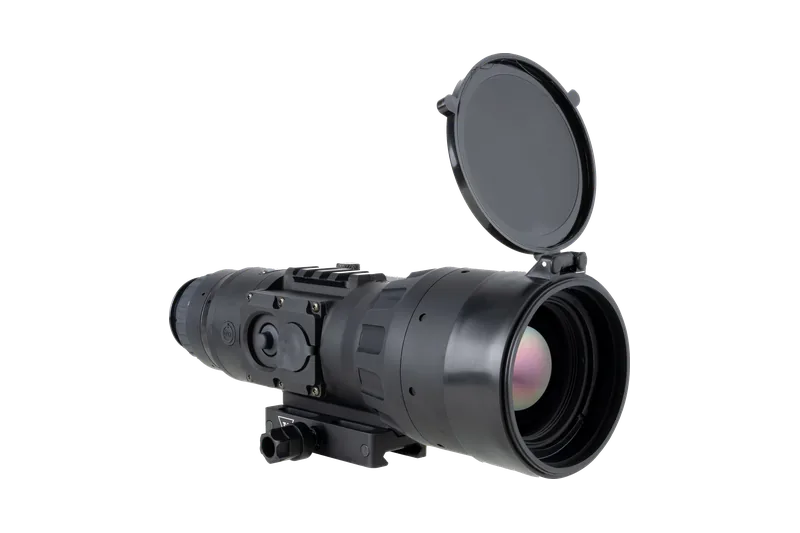
Thermal rifle scope
List price $9,784.00
TrijiconNo thermal optic in our catalog matches every filter. Try removing one.
More pixels means more detail at the same magnification and cleaner digital zoom. A 640 x 512 sensor has more than four times the pixels of a 384 x 288, and 1280 x 1024 doubles that again in each direction.
A bigger lens gives more native magnification and longer detection but a narrower view. 25 to 35 mm suits close cover and scanning, 50 mm and up reaches across open fields.
Noise equivalent temperature difference, in millikelvin. The lower the number, the smaller the heat difference the sensor can show, which keeps the image usable in fog, rain and humidity.
50 or 60 Hz keeps moving animals smooth in the display. Every optic here runs at 50 Hz or faster.
A built-in laser rangefinder paired with a ballistic calculator moves your aim point to the ranged distance, so you skip guessing holdover at night.
Thermal scopes replace your day optic. Clip-ons sit in front of your day scope and keep its zero. Multipurpose units also work handheld or on a helmet.
Our optic library and live dealer pricing are growing every week, with new scopes, reticles, and retailers being added constantly. Check back often as the database expands.
Answer what you know and skip what you do not. The shortlist updates as you go.